Specialists in corporate and contract law.
Greer, Vane & Thorold is a City of London solicitors’ firm instructed on the transactions and agreements that define ownership, risk, and commercial obligation. We do not attempt to be a full-service department store. We practise the work we know deeply: corporate equity and control, commercial contracts, investment documentation, technology agreements, and the disputes that arise when any of those are tested.
Clients come to us when the document has to survive a hostile reading — by the other side’s counsel, by a regulator, or by a judge. That standard governs every draft we issue.
“We write contracts as if we will one day have to litigate them — and litigate disputes as if we drafted the paper.”
Helena Greer, Senior Partner
Where we are instructed
Five desks, one standard of drafting. Each practice is partner-led and staffed to the matter, not to a leverage model.
Corporate
We advise boards and investors on the transactions and constitutional arrangements that reshape ownership and control.
02Commercial Contracts
We draft, renegotiate, and stress-test the commercial agreements that carry revenue, risk, and reputation.
03Corporate Finance & Investments
We document investment, financing, and joint-venture capital so that rights, covenants, and exits align with the commercial thesis.
04Contract & Commercial Disputes
We resolve high-value contract disputes with the same technical care we bring to drafting — because the two are the same craft under different pressure.
05Technology & Data Contracts
We document technology relationships for companies whose product is code, data, or the infrastructure underneath them.
The partnership
Every matter is led by a named partner. Profiles include specialisms, representative work, and published notes.

Helena Greer

Marcus Vane

Julian Thorold

Amara Okonkwo

Eleanor Finch
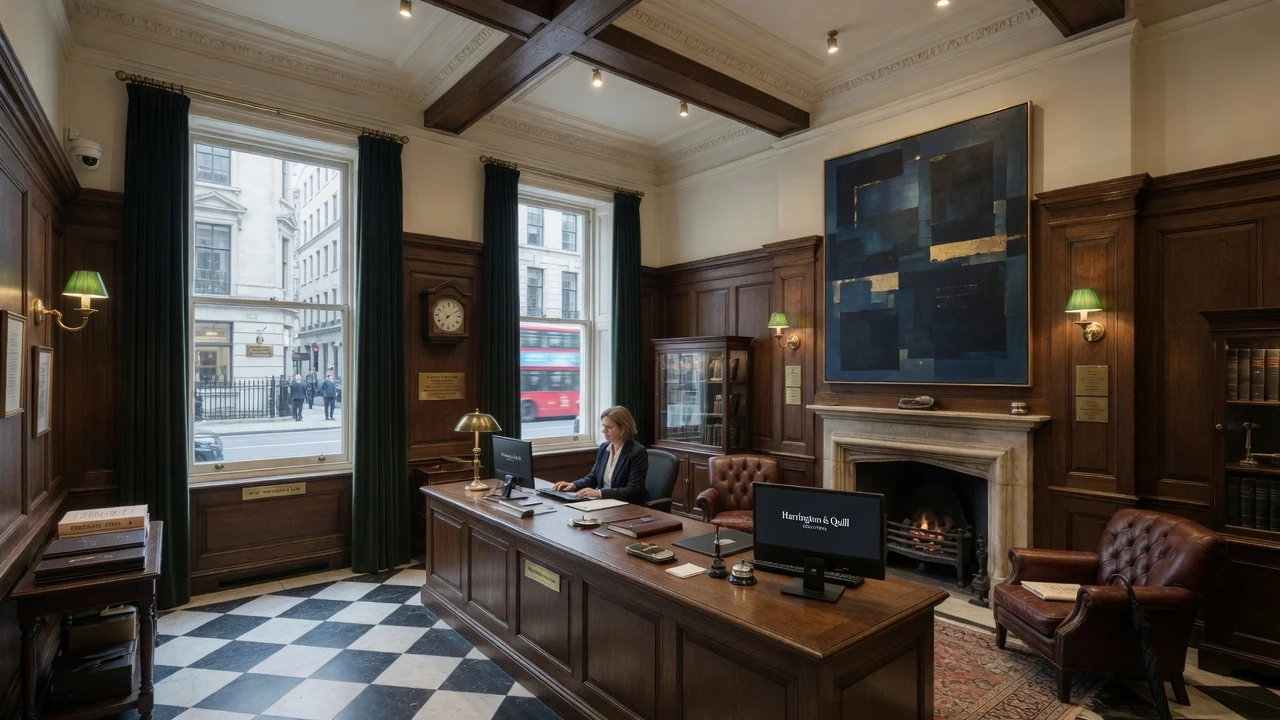
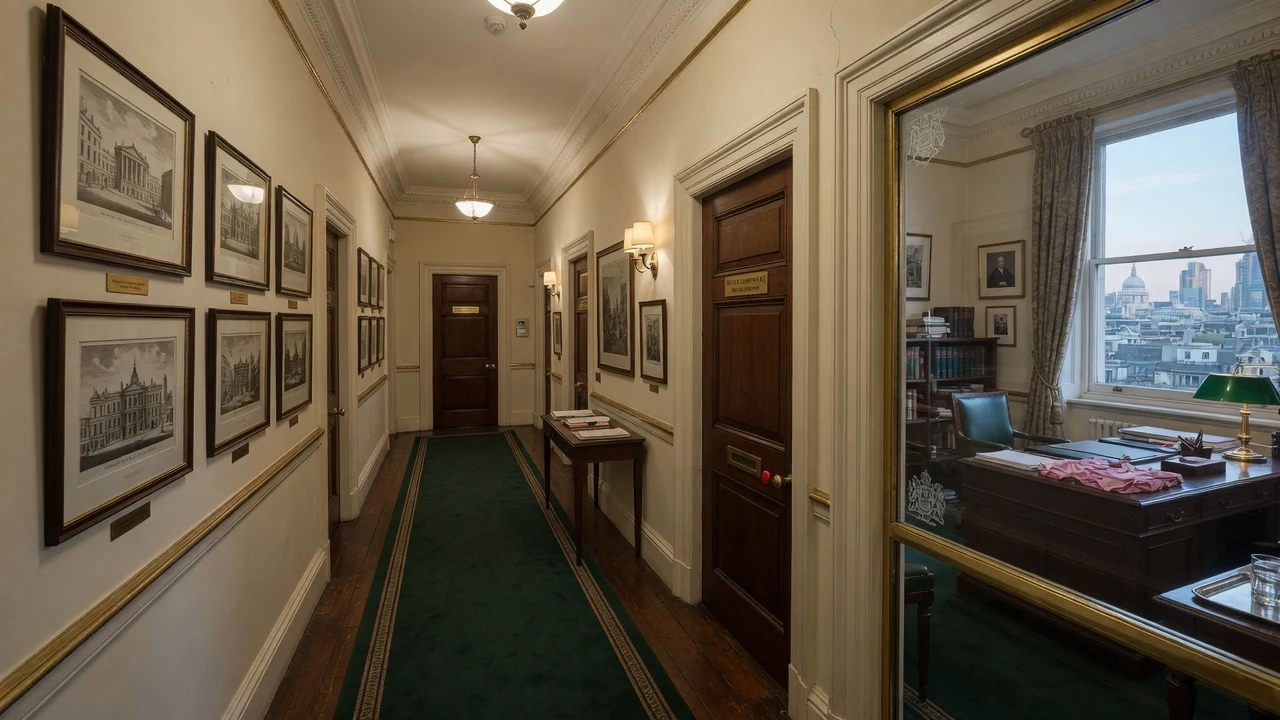
17 Old Jewry
A working City office — reception, library, boardroom, and partner suites — not a stage set.


Recent notes
Interpreting commercial contracts after Wood v Capita
The unitary approach in Wood v Capita Insurance Services Ltd remains the working orthodoxy. Here is how we apply it when the clause on the page and the commercial context pull apart.
Material adverse change clauses: drafting after the last crisis
MAC clauses are still rarely triggered successfully. That is not a reason to draft them carelessly. It is a reason to draft them as if the other side will one day read them to a judge.
Exclusion clauses that hold: drafting under UCTA and the CRA
A limitation clause that looks tough in a mark-up can collapse in court. English law still allows parties to allocate risk — provided the clause is clear, reasonable where required, and built as a system rather than a single sentence.